

As we age, our bodies go through changes, impacting nearly every one of our senses. This includes our hearing. While hearing loss is one of the most common health conditions affecting older adults, it often goes unnoticed and untreated for years.
Our hearing is what allows us to communicate with our family and friends, allows us to remain safe, and provides the ability to engage with our world socially. Read on to explore the risks associated with hearing health in the elderly and how to best manage those issues and concerns.
Hearing Health Matters
While most of us realize that hearing allows us to hear sound and communicate with others, it is far more than just that. It provides ways to maintain our social connections and emotional health. As our hearing declines, we can oftentimes withdraw from social activities, which can often lead to depression and stress.
Common Causes of Hearing Loss in Older Adults
When hearing loss occurs due to age, it is known as presbycusis and usually develops over time. The most common causes are listed below:
Age-Related Changes
As we get older, the tiny hair cells in the inner ear that detect sound can wear out. The unfortunate truth is that when these cells become damaged, they cannot regenerate, resulting in potential permanent hearing loss.
Long-Term Noise Exposure
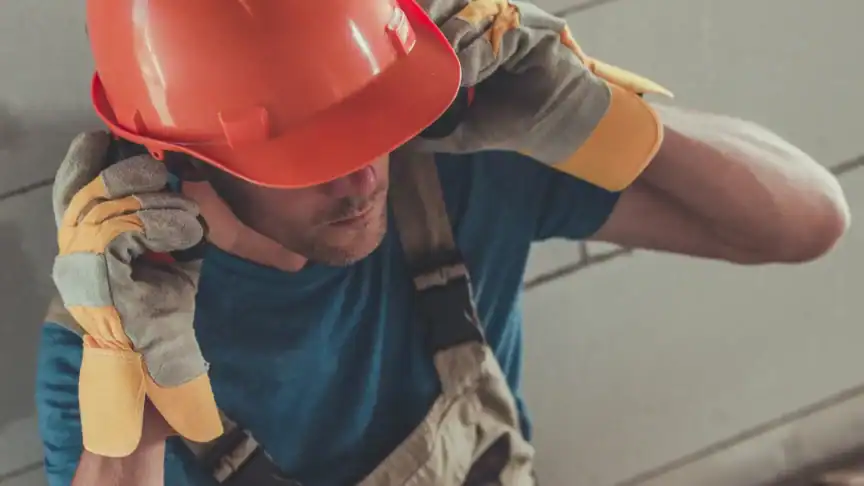
When your ears are bombarded with dangerous noise levels like music, air traffic, or machinery, it can damage your hearing. We need to give our ears a break from noisy environments. When we are exposed to noise, even at moderate levels, for long periods of time, it can damage our inner ear.
Health Conditions
Some health conditions are known to impact our ability to hear. Some of the most common are:
- High blood pressure
- Diabetes
- Cardiovascular disease
- Poor circulation
Medications
Some prescription medicines have been known to damage the inner ear. These are known as ototoxic medications. Some antibiotics, cancer treatments, and pain relievers can damage your hearing.
Earwax Buildup
Although it may seem minor, excess earwax can block sound waves from reaching the eardrum and cause temporary hearing loss. Regular cleaning by a healthcare professional can help prevent this issue.
Prevention and Management Strategies
While not all hearing loss can be prevented, there are several steps older adults can take to protect and preserve their hearing for as long as possible.
Schedule Regular Hearing Checkups
Routine hearing tests are essential for detecting early signs of hearing loss. Many hearing health professionals recommend annual screenings for adults over 60, especially those with a history of noise exposure or other risk factors.
Protect Ears from Loud Noises
Limit exposure to loud environments whenever possible. When using power tools, attending concerts, or being around heavy traffic, wearing earplugs or noise-canceling headphones can prevent further damage.
Manage Health Conditions
Keeping chronic conditions such as diabetes and hypertension under control can help maintain proper blood flow to the ears and protect hearing.
Be Cautious with Medications
Always consult with a doctor or pharmacist about the potential hearing-related side effects of any medications. Never stop taking prescribed medication without professional guidance.
Maintain a Healthy Lifestyle
Regular exercise, a balanced diet rich in vitamins and minerals, and staying hydrated all support good circulation and overall ear health. Avoiding smoking is especially important, as it can restrict blood flow and increase the risk of hearing damage.
Consider Hearing Aids or Assistive Devices
If hearing loss is already present, modern hearing aids and assistive listening devices can greatly improve communication and quality of life. Today’s hearing aids are discreet, comfortable, and often rechargeable, making them easier to use than ever before.
Final Thoughts
Hearing loss in older adults is common, but it doesn’t have to be disabling. By understanding the risks, recognizing early warning signs, and taking preventive steps, seniors can maintain their hearing health and continue to enjoy rich, meaningful connections with the world around them. Regular hearing care is not just about sound; it’s about staying engaged, independent, and thriving at every stage of life.